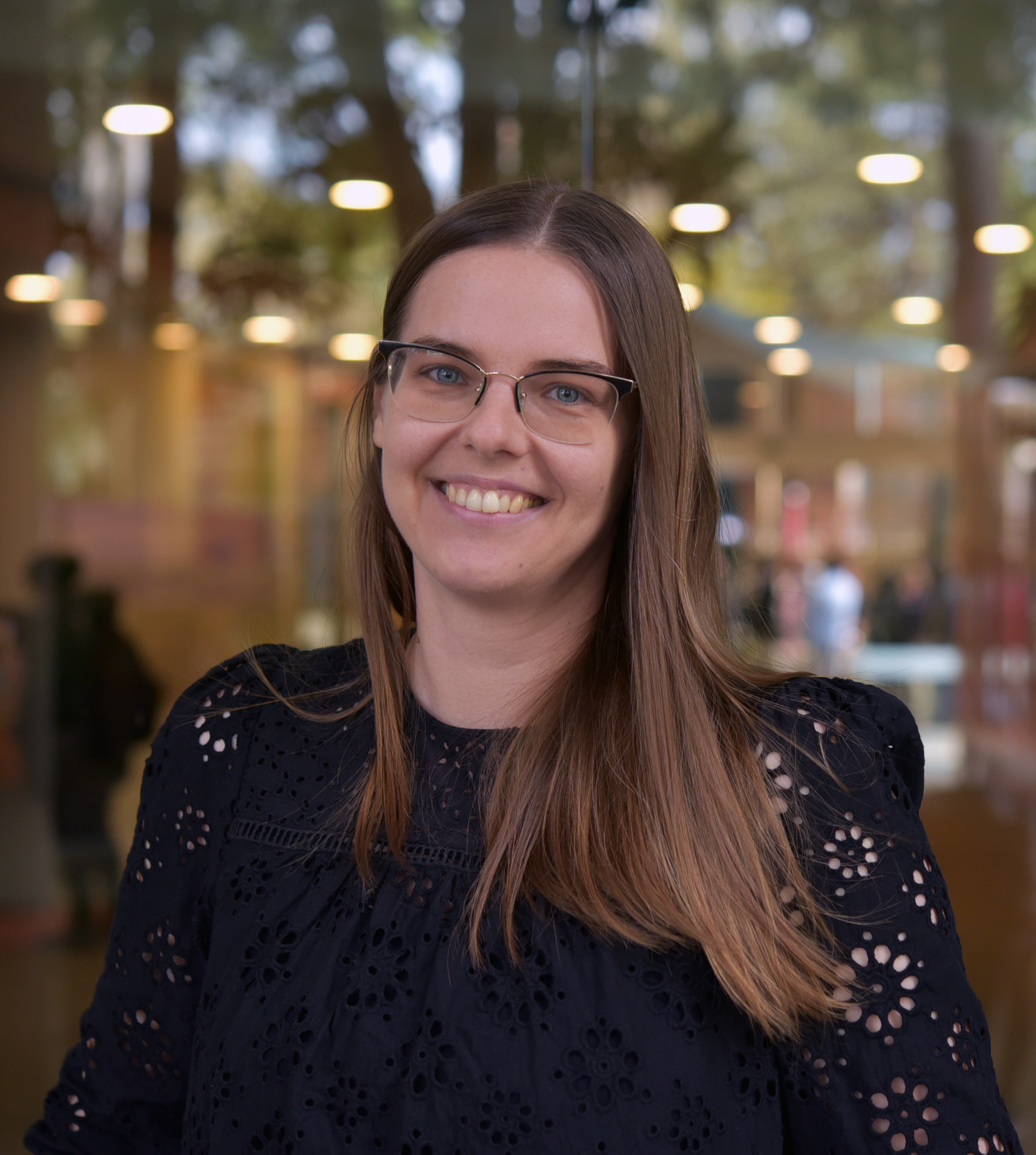
Author name: Marina Vygonskaya
Author biography:
Five years’ experience as a doctor-Neurologist in pain management clinic in Russia; clinical research project (four years): Bio-psycho-social approach in treatment of low back pain; currently PhD candidate in UQ with interest in complement system in chronic neuropathic pain.
Author contact details: m.vygonskaya@uqconnect.edy.au
C5A in Chronic Neuropathic Pain Development
I recently attended my first APS conference, a significant event for professionals dedicated to studying and treating pain. The conference was an invaluable opportunity for me to present my research on the complement component C5a in mice plasma following Chronic Constriction Injury (CCI). My findings demonstrate C5a levels increase from day four to day seven post-injury and remain elevated during the chronic stage of neuropathic pain, a discovery that could have significant implications for understanding and managing chronic pain.
The conference experience was made possible through a travel grant that covered my registration costs. This financial support allowed me to fully engage with the event, participate in various workshops, and expand my knowledge in my field. I am profoundly grateful for this opportunity, as it not only enabled me to share my research findings but also to immerse myself in a community of like-minded professionals and researchers.
One of the most rewarding aspects of the conference was the chance to present my research and receive feedback from experts in the field. Sharing my results was an exciting experience, and the constructive discussions that followed provided me with new perspectives and ideas for future investigations. Engaging with professionals who showed genuine interest in my work was both motivating and enlightening.
In addition to presenting my research, I had the pleasure of meeting many new people. As I am relatively new to this field, almost everyone I encountered was a new acquaintance. The interactions were incredibly enriching, allowing me to build a network of contacts who are passionate about pain research and management. I found meeting other PhD students during the rapid poster presentations was particularly impactful. Connecting with peers who are on similar academic journeys was encouraging and inspiring. These interactions fostered a sense of camaraderie and mutual support, which is crucial for navigating the challenges of academic research.
I also had the opportunity to reconnect with existing collaborators to discuss potential projects. Prior to the conference, I hadn’t had the chance to present my latest results to them, so it was a great opportunity to do so during the event. These discussions were productive and opened up possibilities for future collaborative work.
The conference featured numerous presentations, workshops, and posters, all of which were impressive and informative. One of the sessions that stood out to me was on pain management education. It was clear that the program is run by individuals who are deeply passionate about improving pain management, particularly in rural areas where access to care can be limited. The dedication and enthusiasm of these professionals were truly inspiring, and their work highlighted the critical importance of education in enhancing patient outcomes.
Another session that caught my attention was on the role of diet in pain management, which turned out to be incredibly interesting. The presentations discussed how dietary choices can influence pain perception and management, providing a holistic approach to treatment that complements traditional medical interventions. This session broadened my understanding of pain management and underscored the importance of considering multiple factors in developing effective treatment plans.
Overall, the conference was an enriching experience that provided me with a wealth of new ideas and perspectives. The atmosphere was vibrant and intellectually stimulating, filled with passionate individuals committed to advancing the field of pain research and treatment. I left the conference feeling inspired and motivated, with a renewed sense of purpose in my research.
Looking ahead, I am eagerly anticipating next year’s APS conference. I am excited to return to this dynamic community, to see the latest research developments, and to continue discussing my work with peers and experts. The opportunity to engage with such a diverse and knowledgeable group of professionals is invaluable, and I am looking forward to the new insights and ideas that will undoubtedly emerge from future interactions. The APS conference has not only enriched my current research but has also laid the groundwork for future investigations and collaborations, and I am grateful for the experience.
Declaration: Marina Vygonskaya has nothing to declare.





 Australian Pain Society
👏❤️👏