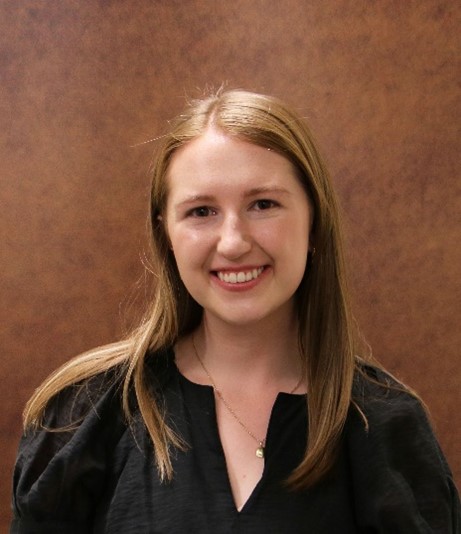
Author: Sophie Crouch
Author biography:
Sophie Crouch is a doctoral candidate at the University of South Australia. Her thesis aims to investigate how pain is socialised in early childhood through children’s media (e.g., YouTube videos). Her research is underpinned by the goal of aligning the development of children’s conceptualisations of pain and injury with contemporary pain science understanding.
Author contact details:
sophie.crouch@mymail.unisa.edu.au
‘I’m in charge, but not always in control: a qualitative exploration of women’s beliefs and knowledge about their pelvic pain’ and ‘Representation of pain and injury in children’s picture books – a qualitative analysis’
I had the privilege of attending the APS conference in Darwin, where I presented two posters and participated in a rapid communication session. My first poster, ‘I’m in charge, but not always in control: a qualitative exploration of women’s beliefs and knowledge about their pelvic pain’, outlined what women with pelvic pain believe and understand about their pain. This qualitative study highlighted three main themes: 1) women with pelvic pain held some biopsychosocial views of their pain, yet emphasised the biological aspects, 2) women with pelvic pain felt as though it was up to them to be in charge of their pain management, however they felt as though they were not always in control of the pain, and 3) pelvic pain was perceived to be predictable in the short term (e.g., when associated with menstruation), but unpredictable in the long term (e.g., uncertainty if pain will end with menopause). I presented my second poster, ‘Representation of pain and injury in children’s picture books – a qualitative analysis’, on behalf of my colleague Dur-E-Nayab Mehar, who completed the study in 2023. This study involved a content analysis of children’s picture books from public libraries to identify and analyse pain and injury content. Some key findings from this study included the portrayal of common gender stereotypes (e.g., boys experiencing injuries more frequently, girls crying and being comforted by supporting characters), and minor pain/injury being most commonly represented, which is reflective of children’s real-life pain experiences. I also presented a rapid communication session for this work and was honoured to receive the Best Rapid Communication Award.
I met lots of like-minded people throughout the conference, especially during the poster sessions and at the Gala Dinner. I found it very rewarding to discuss my research with others and to hear their thoughts on my work. I also found it helpful to discuss my upcoming projects with others in the industry, with everyone being very encouraging. In particular, it was great to chat with paediatric pain clinicians who thought my upcoming work would be very meaningful for the field.
This was not only my first APS conference, but my first academic conference altogether. I found everyone to be very welcoming and I enjoyed listening to the wide variety of speakers. Professor Christine Chambers’ presentations were particularly fascinating, especially because her work aligns with the focus of my PhD topic. It was also inspiring to hear of some of the incredible initiatives that other Australian researchers are involved in, which really highlighted how exciting this field of research can be. Another highlight of the conference was the ‘You can’t ask that!’ trainee session. I appreciated the insights provided by the expert panel and took a lot away from the session.
I am very grateful for the financial support I received through the APS Travel Grant. This grant greatly contributed to covering my travel expenses and made it feasible to attend the conference. I am looking forward to attending the next APS conference in Melbourne in 2025 and hope to present some of my research from my PhD!
Declaration: Sophie Crouch has nothing to declare.





 Australian Pain Society