

By Dr Ati Sadr
Dr Ati Sadr is a practicing dental clinician (Dentist-endodontist) and a Senior Lecturer at the University of Sydney. With over 22 years of clinical and teaching experience, she is currently pursuing a part time PhD focused on psychological predictors of pain in dentistry/endodontics.
Attending the 2025 Australian Pain Society (APS) Conference in Melbourne brought back vivid memories of the truly transformative week I spent at painSTAR 2024 in the Barossa Valley. It reminded me how much I had grown—not only in my research but in my sense of belonging within the broader pain research community.
Finding My Place in a Multidisciplinary Pain World
As a dentist and endodontist with a passion for understanding pain—particularly the role of psychological predictors in dental pain—I came into painSTAR with curiosity, a little self-doubt, and a lot of enthusiasm. I often questioned how I might fit into a multidisciplinary program surrounded by brilliant young researchers from diverse fields with hardly any in the dental field, many with full-time research backgrounds. However, from the moment I arrived, I was embraced by a community that valued not just knowledge, but passion, perspective, and potential. painSTAR was so much more than a workshop—it was an immersive experience. Nestled in the calm, nature-rich surrounds of the Barossa Valley, the setting offered the perfect backdrop for reflection, learning, and connection. Early morning walks, engaging discussions, and shared meals created a family-like environment where conversations flowed effortlessly—from pain signalling pathways to life lessons in research resilience.


L to R: Beautiful views and sunrise from our accommodation balcony
Highlights and Lasting Impact
Our group Pitch presentation win at painSTAR 2024
L to R: Margaret Phillips, Ati Sadr, Amy McNeilage, Marina Vygonskaya, Jay Whittem and Ghufran Alhassani

The four days of painSTAR were full and dynamic, featuring outstanding sessions with experts who spoke on everything from basic science and implementation to the lived experience of pain. Every delegate had the chance to share their research in a supportive space, sparking meaningful discussions and potential collaborations. For me, presenting my work on dental anxiety and pain management with psychological predictors of pain in dentistry opened doors to rich feedback, resources, and connections that have already enhanced the quality of my qualitative research. A key takeaway that left a lasting impact on me was the value of co-designing with dental patients—an idea that took root while listening to the voices of people with lived pain experience during the workshop. Their stories reshaped how I think about research design. With guidance from several painSTAR speakers, I was able to gather resources and refine the vision for the next stage of my project, which will now directly involve patient perspectives. This sense of collaboration with those we aim to serve added a humanising and motivating layer to my research process. The opportunity to hear from patients themselves—their experiences and expectations—was a powerful reminder of why we do this work. I was also deeply inspired by Dr Tasha Stanton, who encouraged us to “take calculated risks,” and Professor Anne Burke, who reminded us to embrace self-compassion and to support one another through the challenges of the research journey. Sessions on topics such as imposter syndrome, giving better talks, and staying resilient through the ups and downs of research life resonated strongly with me. As someone who has navigated a complex path, being part of a community of like-minded researchers brought a sense of belonging and strength. The workshop not only equipped me with practical insights but also gave me renewed clarity and confidence in my research journey.
I came away with two incredible mentors—Professor Anne Burke and Professor Fiona Blyth—and the generous support of many others who guided me in refining my qualitative research methods.
At the 2025 APS Conference in Melbourne, during the “Meet the Minds” session with Professor David Bennett, I was reminded once again of why I am doing pain research. He described the difference between the immediate satisfaction of clinical work and the deeper, slower gratification that comes from research. That message helped me reconcile my internal conflict—I love the immediacy of clinical practice, yet I am deeply drawn to the longer arc of discovery that research offers. His words, along with those of other inspiring painSTAR speakers, reinforced my motivation to embrace uncertainty, persist through challenges, and continue contributing to the evolving field of pain research.
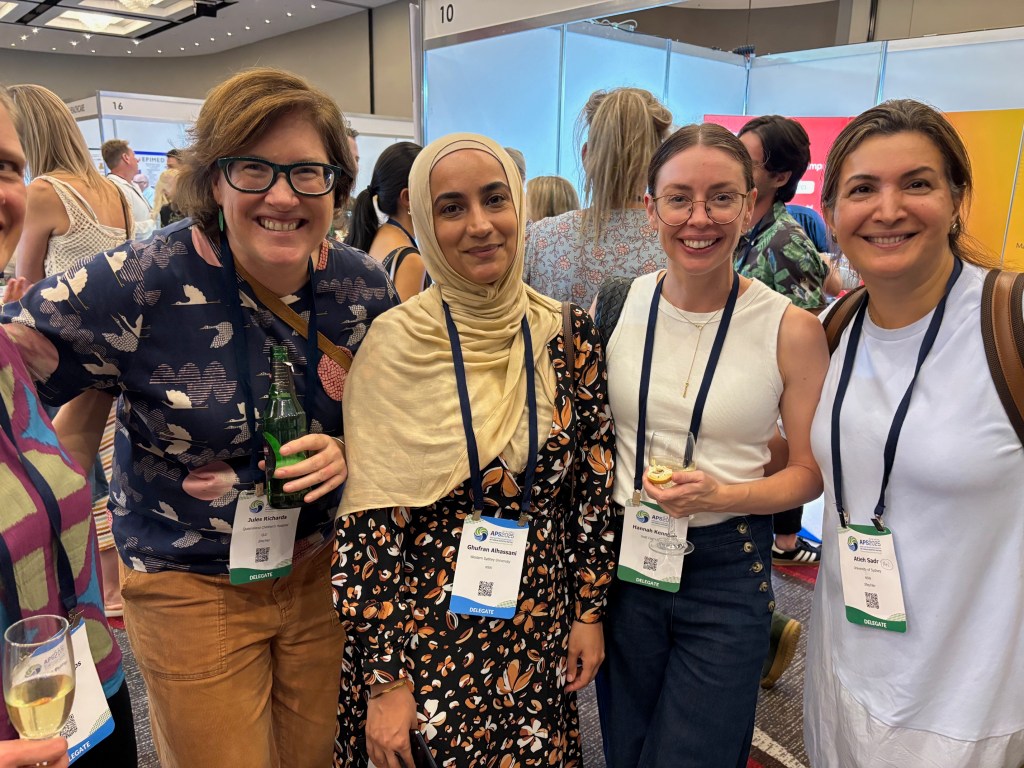
It was especially meaningful to reconnect with some of the painSTAR community at the great APS 2025 Melbourne conference, see their growth, and be reminded that we’re all on this journey together —learning, growing, and making an impact.
Reunion of some of the painSTAR team at APS2025 in Melbourne
L to R: Jules Richards, Ghufran Alhassani, Hannah Kennedy and Atieh Sadr
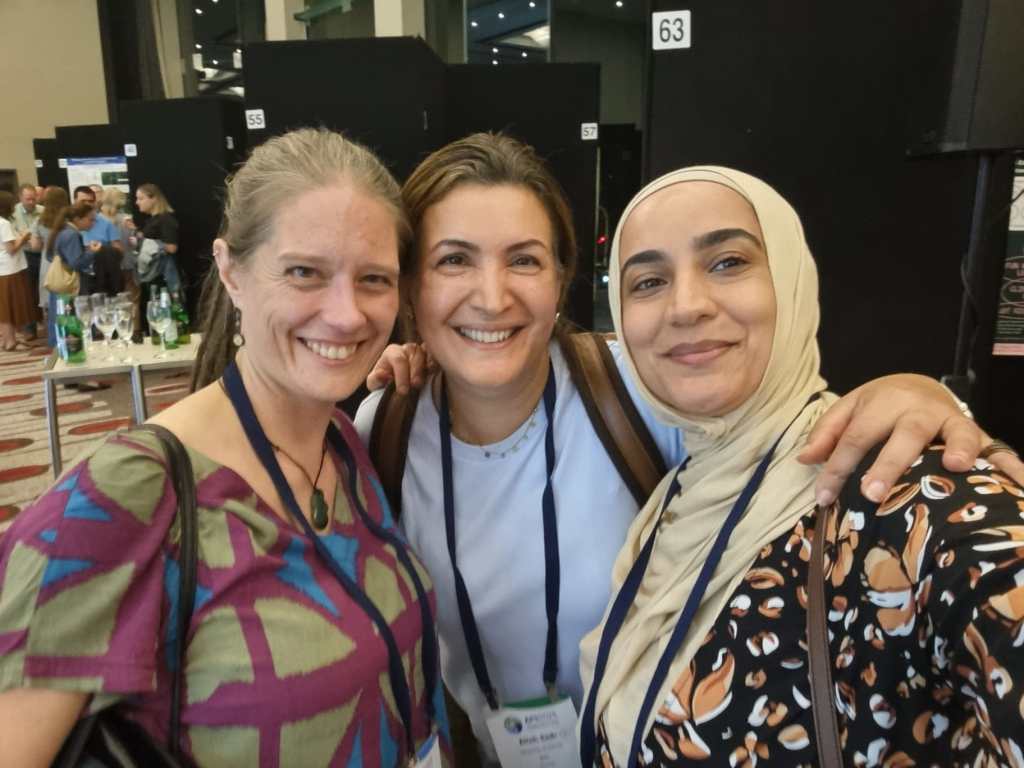
L to R: Margaret Phillips, Atieh (Ati) Sadr and Ghufran Alhassani
Moving Forward with Purpose
One of the most beautiful aspects of painSTAR was its human side—its heart. Whether discussing challenges, sharing personal setbacks, or simply encouraging one another, the space created by the organisers was safe, inspiring, and full of compassion. A quote from Ms Trudy Maunsell, one of our remarkable painSTAR faculty/mentors and the APS 2025 Distinguished Member Award recipient in Melbourne, continues to resonate with me:
“Don’t let anything—or anyone—on top of you stop you from having a crack.”
painSTAR reminded me why I started this journey and helped me see where I’m going. I left with renewed motivation, a clearer research direction, and most importantly, a sense of belonging in a community committed to transforming pain care.
To all the organisers, especially Ms Alex Robertson, the faculty, all the national and international speakers and the entire painSTAR team—thank you. Your vision, care, and dedication are shaping a brighter future for pain research, and I am proud to be part of that story.
Declaration
Ati Sadr has nothing to declare.





 Australian Pain Society